The Unexpected Baking Crisis: Running Out of Brown Sugar
Picture this: You're halfway through mixing your grandmother's famous chocolate chip cookie dough. The aroma of vanilla and butter fills the kitchen. You reach for the brown sugar, only to discover an empty bag or, worse, a rock-hard, unusable block. Panic sets in. Do you run to the store? Do you try to improvise with white sugar, knowing your cookies just won't be the same? For many home bakers, this scenario is all too familiar.
But what if there was a simple, lightning-fast solution that didn't involve leaving your kitchen? What if you could conjure up perfect, moist brown sugar right when you needed it most, using just two common pantry staples? Well, dear baker, you're in luck! This ultimate baking hack will teach you precisely how to make brown sugar at home – whether you need light or dark – in less time than it takes to preheat your oven. Forget emergency store trips; get ready to be a kitchen wizard.
The Magic Behind Homemade Brown Sugar: Flavor, Texture, and Control
Many aspiring bakers, faced with an empty brown sugar bag, might be tempted to simply substitute granulated white sugar. While white sugar provides sweetness, it misses the crucial elements that make brown sugar unique and indispensable in many recipes. Brown sugar isn't just white sugar dyed brown; it's white sugar coated with molasses, and that molasses makes all the difference.
When you substitute white sugar directly, your baked goods will lack the distinctive caramel-like depth of flavor that brown sugar imparts. More importantly, they will miss out on the vital moisture that molasses brings. This moisture is what gives cookies their chewiness, cakes their tenderness, and muffins their soft crumb. Without it, your creations can turn out dry, crumbly, and one-dimensional.
Making your own brown sugar at home isn't merely a substitute; it's creating the real deal. You're essentially replicating the commercial process on a smaller scale, giving you authentic brown sugar with all its flavorful and textural benefits. Beyond simply saving you a trip to the grocery store, this method offers invaluable control. You can customize the color and flavor intensity, creating light brown sugar for delicate treats or a rich dark brown sugar for robust, deeply flavored desserts. It's an empowering DIY brown sugar solution that will elevate your baking game.
Essential Ingredients for Your Brown Sugar Batch
The beauty of this baking hack lies in its incredible simplicity. You only need two ingredients, both of which are likely already residing in your pantry.
Granulated Sugar: The Sweet Foundation
Your base for homemade brown sugar is ordinary white granulated sugar. This provides the primary sweetness and crystalline structure. Think of it as the blank canvas upon which the magic of molasses will be painted. There's no need for special types of white sugar; your everyday granulated sugar works perfectly.
Molasses: The Secret to Depth and Moisture
This is the star of the show, the ingredient that transforms white sugar into its richer, more complex cousin. Molasses is a byproduct of refining sugarcane or sugar beets into sugar. It's a thick, dark, syrupy substance that delivers that signature moistness, slight stickiness, and incredible depth of flavor – ranging from subtle caramel notes in lighter varieties to robust, almost smoky notes in darker ones.
- Unsulphured Molasses: For baking, unsulphured molasses is generally preferred. Sulphured molasses contains sulfur dioxide, which can sometimes impart an off-flavor. Most molasses available in grocery stores today is unsulphured.
- Light vs. Dark Brown Sugar: The amount of molasses you add dictates whether you create light or dark brown sugar.
- For Light Brown Sugar: Start with 1 tablespoon of molasses per 1 cup of granulated sugar.
- For Dark Brown Sugar: Use 2 tablespoons of molasses per 1 cup of granulated sugar. Some bakers even go up to 3 tablespoons for an extra robust flavor and darker hue, perfect for ginger snaps or barbecue sauces.
It's important to use actual molasses for the most authentic results. While some online resources might suggest alternatives like maple syrup or agave nectar for color, these will not provide the same unique flavor profile or moisture-retaining properties as genuine molasses. For the "real deal," molasses is non-negotiable.
Your Quick Guide to Crafting Brown Sugar from Scratch
Making brown sugar at home is incredibly straightforward, requiring minimal equipment and just a few minutes of your time. This isn't just a hack; it's a fundamental baking skill that will serve you well for years to come.
Gathering Your Simple Tools
You won't need any fancy gadgets for this process. All you require is:
- A medium-sized mixing bowl
- A sturdy spoon or a spatula
The Two-Step Mixing Process
- Combine Ingredients: In your mixing bowl, add the granulated sugar. Then, measure out your desired amount of molasses (1 tablespoon for light, 2 for dark, per cup of sugar) and add it to the sugar.
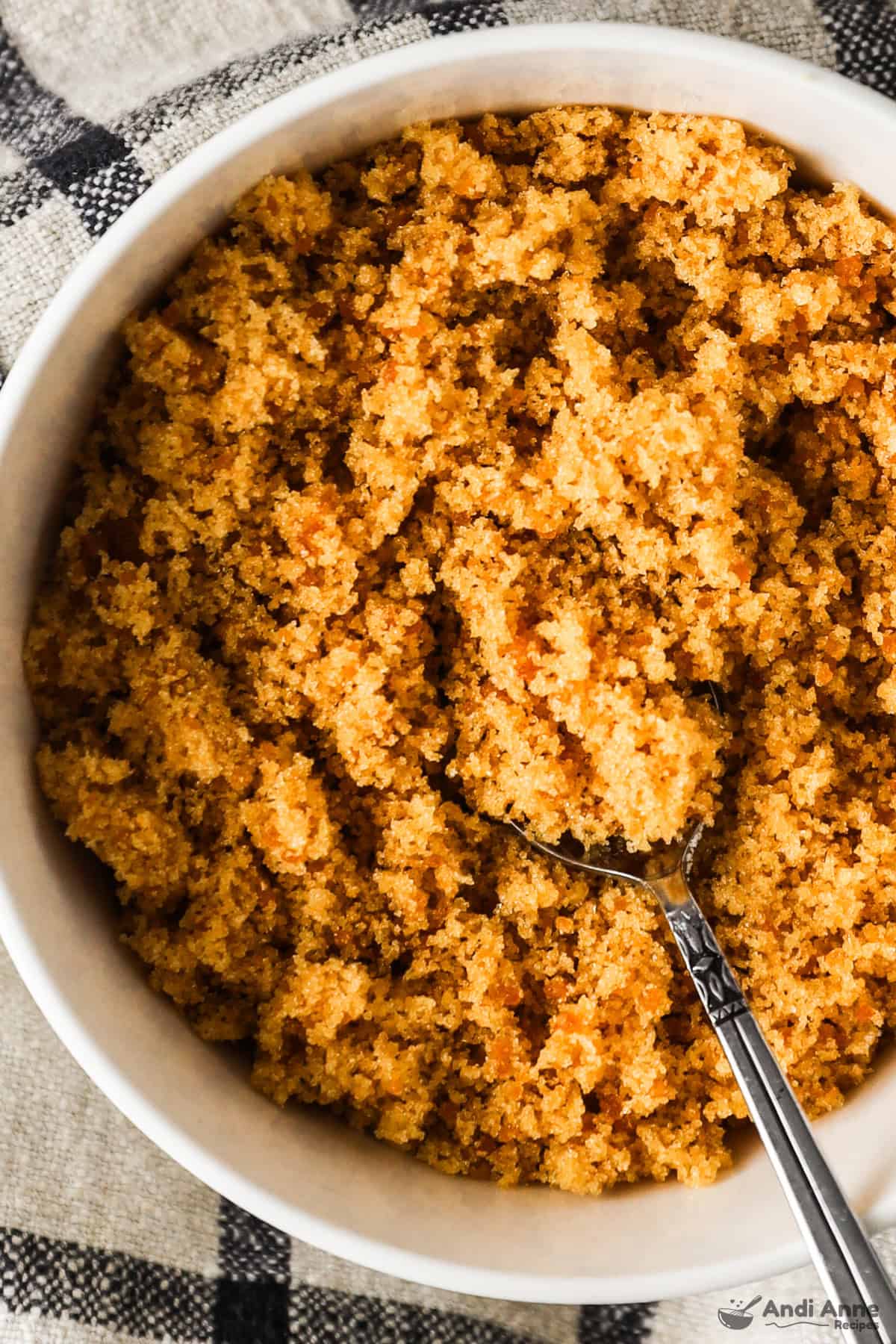
- Mix Thoroughly: Begin stirring the sugar and molasses together. At first, the molasses will likely form clumps or small, sticky balls within the sugar. This is completely normal! Don't be discouraged. The key here is patience and persistence. Use the back of your spoon or the flat side of your spatula to press these molasses clumps against the side of the bowl. Grind them down and continue mixing. You want to work the molasses into every single grain of sugar until the mixture is uniform in color, free of streaks, and has that characteristic soft, slightly moist, and cohesive texture of commercial brown sugar. This vigorous mixing typically takes less than 5 minutes.
Baker's Tip: Don't rush this mixing step. Ensuring the molasses is evenly distributed is crucial for both flavor and texture. If you notice any stubborn clumps, continue pressing and stirring until they've fully incorporated.
Storing and Softening Your Homemade Brown Sugar
Once you've mastered how to make brown sugar at home, you'll want to ensure it stays fresh and soft for future baking adventures. Proper storage is key, and even if it hardens, revival is surprisingly simple.
Optimal Storage for Lasting Freshness
The primary enemy of soft brown sugar is air. Exposure to air causes the molasses coating to dry out, leading to that dreaded hard, brick-like consistency. To prevent this:
- Airtight Containers are Essential: Always store your homemade brown sugar in an airtight container. This could be a sturdy plastic container with a tight-fitting lid or, even better, a heavy-duty Ziploc bag.
- Remove Excess Air: If using a Ziploc bag, press out as much air as possible before sealing it. If using a rigid container, you can place a piece of plastic wrap directly onto the surface of the brown sugar before securing the lid. This creates an extra barrier against air exposure.
- Longevity: Stored correctly, your homemade brown sugar will keep for several months, often even longer, just like store-bought varieties.
Reviving Hardened Brown Sugar: A Baker's Guide
Even with the best intentions, brown sugar can sometimes harden. Don't despair! It's a common issue and easily remedied. Here are a few tried-and-true methods to bring it back to its soft, pliable glory:
- The Bread/Apple Slice Method: Place a slice of fresh bread or a few apple slices directly into your container of hardened brown sugar. Seal the container tightly and let it sit overnight. The moisture from the bread or apple will be absorbed by the sugar, softening it by morning. Remove the bread/apple once soft, as it can mold.
- Terracotta Disk: Specialty brown sugar savers, usually made from terracotta, are designed for this purpose. Soak the disk in water, then place it in your sugar container. It slowly releases moisture, keeping the sugar soft.
- Microwave Method (Quick Fix): For immediate use, place the hardened brown sugar in a microwave-safe bowl. Cover it with a damp paper towel (or sprinkle a tablespoon of water over it). Microwave on high for 10-20 seconds. Check its softness; if still hard, microwave for another 10 seconds, being careful not to melt it. Once softened, use immediately, as it tends to harden quickly again after microwaving.
Conclusion
Never again will a depleted supply of brown sugar derail your baking plans. Knowing how to make brown sugar at home is more than just a convenient hack; it's a testament to the simplicity and resourcefulness that defines great home baking. With just granulated sugar and molasses, you can whip up fresh, perfectly textured light or dark brown sugar in mere minutes, ensuring your cookies are chewy, your cakes are moist, and your sauces are rich.
Embrace this easy, effective method and add a truly versatile skill to your culinary repertoire. Your pantry will thank you, and your taste buds will certainly rejoice!
