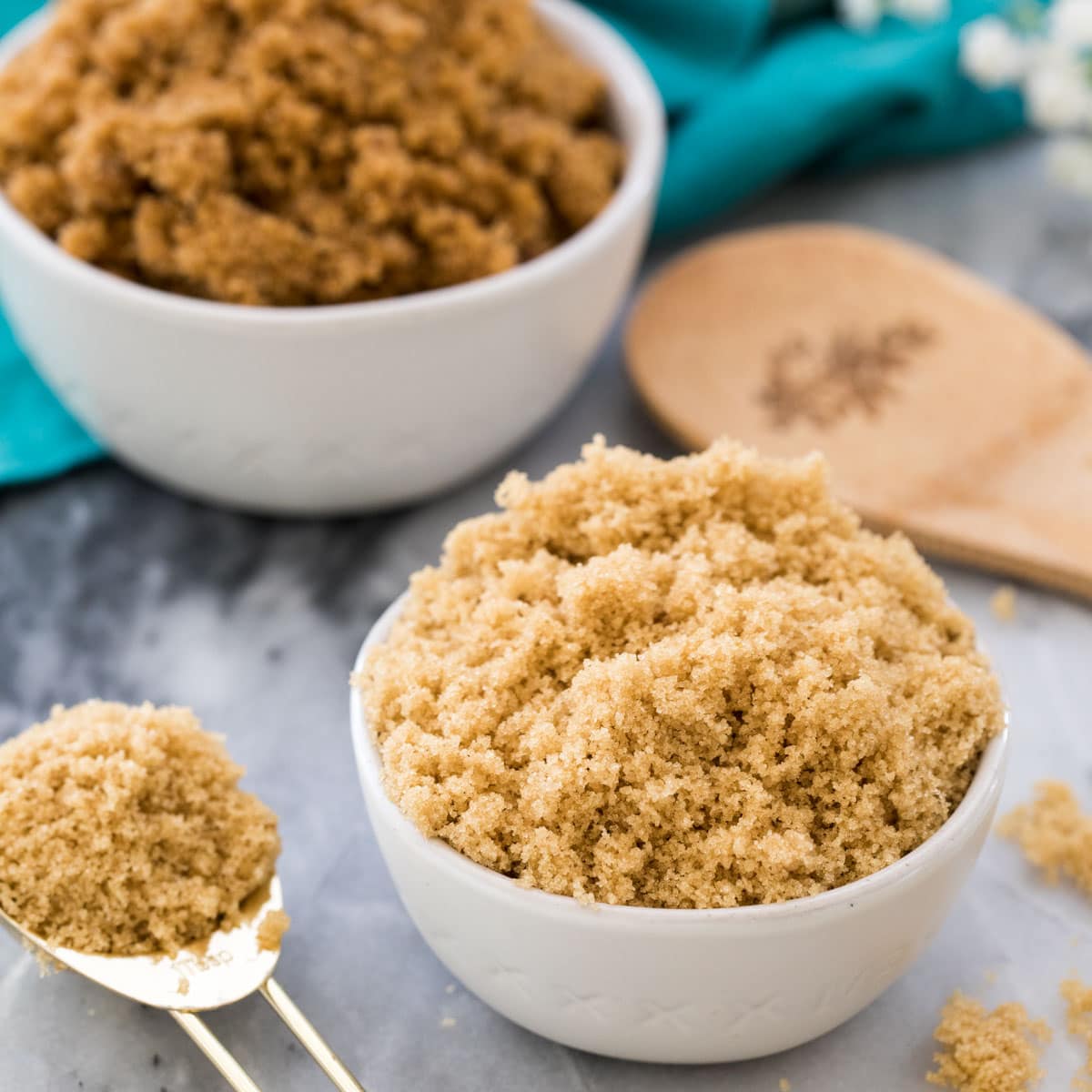
Make Brown Sugar in 5 Minutes: Never Run Out Again!
Picture this: you're halfway through baking a batch of your famous chocolate chip cookies, the aroma of vanilla and butter already filling your kitchen. You reach for the bag of brown sugar, only to find it's completely empty. Panic sets in. Do you scrap the recipe? Make an emergency trip to the store? Or settle for a less-than-perfect substitute that will inevitably alter the flavor and texture of your beloved treats? What if we told you there’s a simple, five-minute solution that eliminates this kitchen crisis forever? Learning
how to make brown sugar at home isn't just a clever baking hack; it's a game-changer that ensures you always have the real-deal, authentic brown sugar on hand, whenever a craving strikes or a recipe calls.
Forget about sad, dry cookies or dense brownies. With just two common ingredients and a few minutes of your time, you can whip up fresh brown sugar that performs flawlessly in any recipe. This isn't just a passable substitute; it *is* brown sugar, ready to lend its signature moist texture and rich, caramel notes to all your culinary creations.
The Kitchen Emergency Solved: Why Homemade Brown Sugar is a Game-Changer
Running out of brown sugar can feel like a culinary catastrophe, especially when you're in the middle of preparing a delicate dessert or a savory dish that relies on its unique properties. Many home cooks are tempted to simply swap it out for granulated white sugar, but this can lead to disappointing results. Brown sugar, with its distinct molasses content, offers more than just sweetness. It provides moisture, depth of flavor, and a chewiness that granulated sugar simply cannot replicate. Without it, your chocolate chip cookies might turn out flat and crispy, your oatmeal chewy and less rich, or your barbecue sauce lacking that signature sticky glaze.
That's where the magic of making your own brown sugar comes in. By understanding the simple science behind it, you empower yourself with a skill that not only saves time and stress but also often saves a trip to the grocery store. It's incredibly cost-effective, using ingredients you likely already have in your pantry. More importantly, it gives you complete control over the final product, allowing you to tailor it to your needs – whether you require light or dark brown sugar for a particular recipe. This isn't a compromise; it's an upgrade, providing you with fresh, soft, and perfectly moist brown sugar every single time. It's truly one of those "back-pocket" recipes you'll be glad to have, whether it's for holiday baking or simply satisfying a spontaneous sweet tooth.
Unveiling the Simple Secrets: What You'll Need
The beauty of making your own brown sugar lies in its incredible simplicity. You won't need any fancy equipment or exotic ingredients. In fact, it's one of the easiest "recipes" you'll ever encounter.
The Dynamic Duo: Granulated Sugar & Molasses
The foundation of homemade brown sugar rests upon two readily available ingredients:
*
Granulated Sugar: This is your standard white table sugar, and it forms the bulk of your brown sugar. It provides the crystalline structure and primary sweetness.
*
Unsulphured Molasses: This is the secret ingredient that transforms white sugar into its brown, delightful counterpart. Molasses is a byproduct of sugar refining, and it's what gives brown sugar its characteristic brown color, moist texture, and complex, caramel-like flavor. Unsulphured molasses is preferred as it has a cleaner, less bitter taste than sulphured varieties, which are treated with sulfur dioxide. The amount of molasses you add will determine whether you create light or dark brown sugar. For a standard light brown sugar, a smaller quantity is used, imparting a milder flavor. For dark brown sugar, you'll simply incorporate more molasses, resulting in a deeper color and a more robust, intense flavor profile.
Essential Tools for Your 5-Minute Masterpiece
You likely already have everything you need to get started:
* A medium-sized mixing bowl
* A sturdy spoon or rubber spatula
That's it! No stand mixer, no food processor, just basic kitchen tools.
Your 5-Minute Guide: How to Make Brown Sugar at Home
Ready to revolutionize your baking? Here’s a super quick and easy guide on
how to make brown sugar at home:
1.
Measure Your Ingredients: For every 1 cup of granulated white sugar, you'll need approximately 1 tablespoon of molasses for light brown sugar, or 2 tablespoons for dark brown sugar. Adjust these ratios slightly to achieve your desired color and intensity of flavor.
2.
Combine in a Mixing Bowl: Pour your granulated sugar into the mixing bowl. Add the measured molasses on top.
3.
Mix Thoroughly: Using your spoon or spatula, begin to stir the sugar and molasses together. Initially, the molasses will clump and form little sticky balls within the sugar. Don't worry, this is completely normal!
4.
Work Out the Clumps (Pro Tip!): To ensure a perfectly uniform product, use your spatula or the back of your spoon to press any molasses clumps against the side of the mixing bowl. Gently grind them between the utensil and the bowl, incorporating them fully into the sugar. Continue mixing and pressing until the sugar is uniformly brown, soft, and moist, with no visible streaks or clumps of molasses remaining. This step is crucial for achieving the proper texture and consistency.
And just like that, in less than 5 minutes, you've transformed two simple ingredients into fresh, fragrant brown sugar! It’s ready to be used immediately in your favorite recipes, from cookies and cakes to glazes and marinades. For more specific guidance on creating the perfect hue, check out our detailed guide on
Baking Hack: Create Light or Dark Brown Sugar at Home.
Beyond the Basics: Storage, Softening, and Substitutions
Now that you're a brown sugar guru, let's cover some practical advice to keep your homemade stash perfect.
Storing Your Homemade Sweetness
Proper storage is key to maintaining the soft, moist texture of your brown sugar. Air is the enemy!
*
Airtight is Best: Always store your brown sugar in an airtight container. A sturdy plastic container with a tight-fitting lid works well.
*
Embrace Ziploc Bags: Many experienced bakers prefer heavy-duty Ziploc bags. After filling the bag, press out as much air as possible before sealing it. This minimizes air exposure and keeps the sugar soft for longer.
*
Plastic Wrap Trick: If using a container, press a piece of plastic wrap directly onto the surface of the brown sugar before securing the lid. This creates an extra barrier against air.
*
Shelf Life: Stored correctly, homemade brown sugar will keep for several months, or even longer, in your pantry.
The Hard Truth: Softening Hardened Brown Sugar
Even with the best storage practices, brown sugar can sometimes harden over time if it's exposed to too much air. Don't despair – softening it is incredibly easy:
*
The Bread/Apple Slice Method: Place a slice of fresh bread or a few apple slices in the airtight container with the hardened sugar. Seal it and let it sit overnight. The moisture from the bread/apple will transfer to the sugar, softening it beautifully. Remove the bread/apple once the sugar is soft to prevent mold.
*
Terracotta Disk: A special terracotta disk, soaked in water and then placed in your brown sugar container, is specifically designed to keep it soft.
*
Microwave Method: For a quick fix, place the hardened brown sugar in a microwave-safe bowl. Cover it with a damp paper towel or a lid that leaves a small vent. Microwave on high for 10-20 seconds, checking frequently. Be careful not to overheat, as it can melt the sugar.
No Molasses? No Problem! (Alternative Options for Recipes)
While the "real deal" brown sugar requires molasses, we understand that sometimes you might run out of both brown sugar *and* molasses. In such emergency situations, you can still save your recipe by using a substitute for brown sugar itself, though the results won't be identical to true brown sugar.
*
White Sugar + Liquid Sweetener: For every cup of brown sugar called for, use 1 cup of granulated white sugar mixed with 1 tablespoon of maple syrup, honey, or dark corn syrup. This will add some moisture and a hint of depth, though not the exact flavor of molasses. Reduce other liquids in your recipe slightly if using this method.
*
Plain Granulated Sugar: In a true pinch, you can sometimes substitute plain granulated sugar for brown sugar, especially in recipes where brown sugar isn't the star ingredient. Just be aware that your baked goods may be less moist, less chewy, and lighter in color.
Remember, these are substitutes for *brown sugar in recipes* when you don't have the ingredients to make it. For creating authentic brown sugar from scratch, molasses is indispensable. For more ingenious ways to handle a brown sugar shortage, explore our guide on
DIY Brown Sugar: Just 2 Ingredients for a Perfect Substitute.
Mastering
how to make brown sugar at home is more than just a convenience; it's a testament to the simple magic that can happen in your own kitchen. This quick, easy, and incredibly effective method ensures you're always prepared for any baking adventure or culinary endeavor. Say goodbye to emergency store runs and hello to consistently perfect, moist, and flavorful brown sugar, made fresh in just 5 minutes. Give it a try – your taste buds (and your pantry) will thank you!