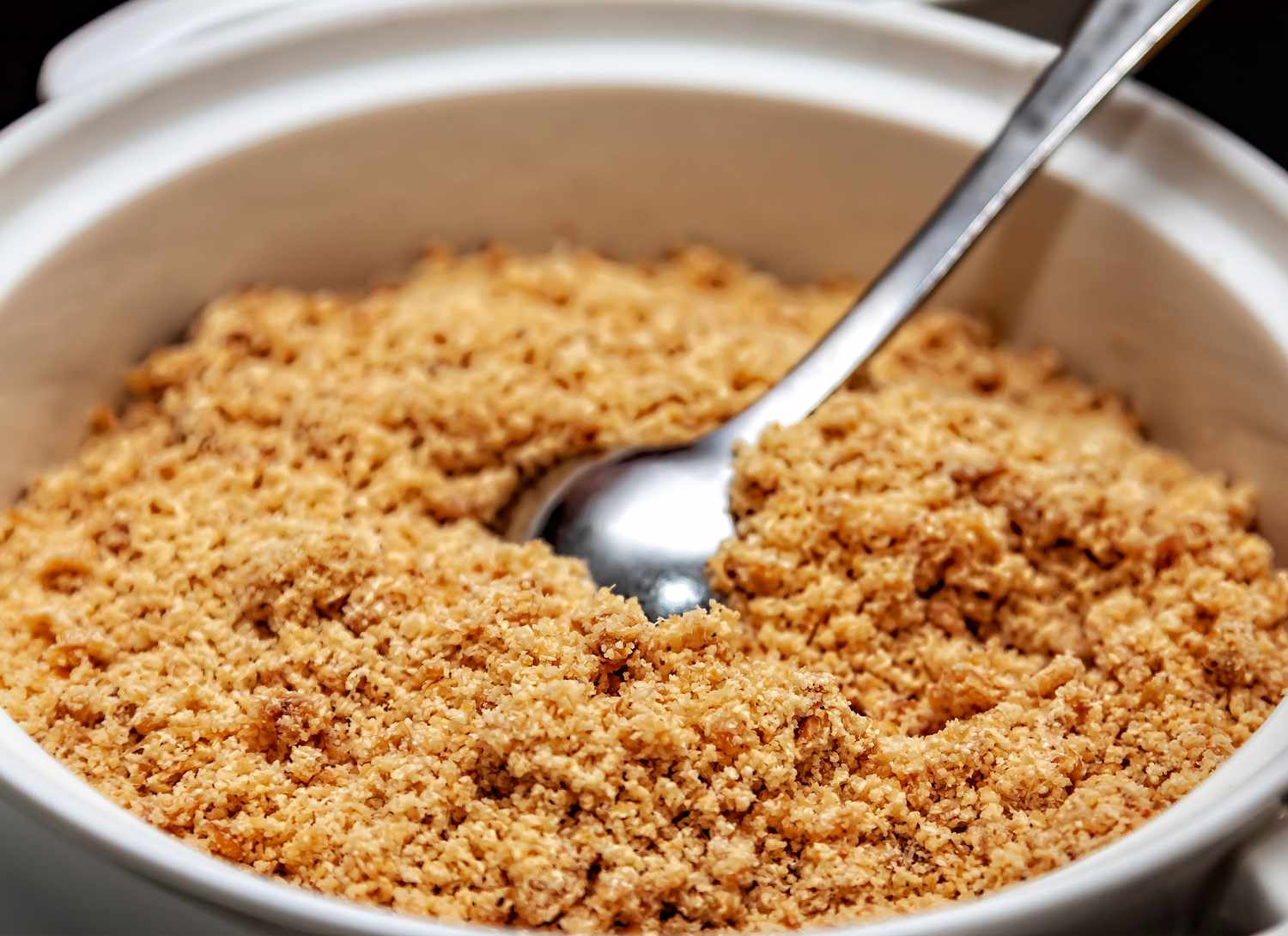
DIY Brown Sugar: Just 2 Ingredients for a Perfect Substitute
We’ve all been there: halfway through a beloved recipe, perhaps a batch of gooey chocolate chip cookies or a comforting pecan pie, only to discover an empty brown sugar bag staring back at you from the pantry. The immediate panic sets in. Do you scrap the recipe? Make a last-minute dash to the store? Or perhaps, most temptingly, try to substitute with plain granulated sugar and hope for the best? While granulated sugar might seem like a quick fix, it simply won't deliver the same depth of flavor, chewy texture, or crucial moisture that brown sugar brings to your bakes. But what if there was a way to conjure up that elusive ingredient in mere minutes, using only two pantry staples you likely already own? The good news is, you absolutely can! Forget emergency trips or recipe compromises. Learning how to make brown sugar at home isn't just about creating a substitute; it's about crafting the real deal. With just granulated sugar and molasses, you can whip up fresh, perfectly moist brown sugar that is indistinguishable from its store-bought counterpart. This incredibly simple "recipe" is a true game-changer for any home baker, ensuring you're never caught off guard again.Why Make Your Own Brown Sugar at Home? The Ultimate Baking Hack
Beyond the sheer convenience of avoiding a store run, there are several compelling reasons to embrace the art of homemade brown sugar: * Instant Gratification: When a recipe calls for brown sugar, you don't want to wait. This method takes less than five minutes, from start to finish. * Cost-Effective: Granulated sugar and molasses are generally inexpensive, and by combining them yourself, you avoid paying a premium for pre-mixed brown sugar. * Control is Key: Store-bought brown sugar typically comes in light or dark varieties. When you make your own, you have complete control over the ratio of molasses to sugar, allowing you to easily produce light brown sugar, dark brown sugar, or even something in between, perfectly tailored to your recipe's needs. * Fresher Results: Your homemade brown sugar will be incredibly fresh, often more moist and pliable than a bag that's been sitting on a shelf. * Peace of Mind: Knowing you have this trick up your sleeve means you can bake spontaneously without worrying about inventory. It's a true "back-pocket recipe" that will serve you well, especially during busy holiday baking seasons.The Magic Duo: Granulated Sugar and Molasses
Understanding what brown sugar actually *is* helps demystify the process. Brown sugar isn't a different type of sugar entirely; it's simply white granulated sugar that has been coated with molasses. Molasses, a byproduct of refining sugarcane or sugar beets into sugar, is what imparts brown sugar its distinctive color, rich caramel-like flavor, and essential moisture. Let's break down the two vital ingredients: * Granulated Sugar: This is your standard white table sugar. It forms the base of your brown sugar. Any brand will work perfectly fine. * Unsulphured Molasses: This is the crucial ingredient that transforms white sugar into brown. Unsulphured molasses (often labeled as "light" or "robust" molasses, or simply "molasses") is made from mature sugarcane and doesn't require sulfur dioxide as a preservative. It has a sweeter, cleaner flavor compared to sulphured molasses, which is made from younger sugarcane and treated with sulfur. For the best flavor and results, always opt for unsulphured molasses. Blackstrap molasses is a darker, more robust variety with a slightly bitter, less sweet profile, but can also be used, especially if you prefer a very dark brown sugar with a strong molasses flavor.Step-by-Step: How to Make Brown Sugar at Home
You don't need any special equipment for this, just a few basic kitchen tools. Ingredients: * 1 cup (200g) granulated sugar * 1 tablespoon (15ml) unsulphured molasses (for light brown sugar) * 2 tablespoons (30ml) unsulphured molasses (for dark brown sugar) Equipment: * A medium-sized mixing bowl * A sturdy spoon or spatula Instructions: 1. Measure Your Sugar: Pour the desired amount of granulated sugar into your mixing bowl. 2. Add the Molasses: Drizzle the molasses over the granulated sugar. Start with 1 tablespoon for light brown sugar, or 2 tablespoons for a richer, dark brown variety. You can always add a little more if you want a deeper color and flavor. 3. Combine and Mix: Using your spoon or spatula, begin stirring the sugar and molasses together. At first, the molasses will form small clumps and streaks in the sugar. 4. Work Out the Clumps: This is the most important step for a smooth, uniform texture. Use the back of your spoon or the flat side of your spatula to press the molasses clumps against the side of the mixing bowl. Grind them down and incorporate them into the sugar. Continue to mix, press, and grind until the sugar is uniformly brown, soft, and moist, with no visible streaks or hard clumps of molasses remaining. This process usually takes less than 5 minutes of active mixing. 5. Ready to Use: Your homemade brown sugar is now ready to be used immediately in your recipe!Customizing Your Brown Sugar: Light vs. Dark
The beauty of making your own brown sugar lies in the ability to customize its type. * Light Brown Sugar: Achieved with a smaller amount of molasses (typically 1 tablespoon per cup of granulated sugar). It has a milder, caramel flavor and is perfect for chocolate chip cookies, cakes, and other delicate baked goods. * Dark Brown Sugar: Made with a greater concentration of molasses (around 2 tablespoons per cup of granulated sugar). This results in a richer, more robust flavor and a deeper color. Dark brown sugar is excellent for gingerbread, barbecue sauces, glazes, and recipes where a strong molasses flavor is desired. Experiment with the molasses ratio to find your perfect balance! The slight difference in molasses content also subtly affects the moisture level, with dark brown sugar being slightly more moist.Storage Secrets: Keeping Your DIY Brown Sugar Soft
One common frustration with brown sugar, whether homemade or store-bought, is its tendency to harden into a brick. This happens because brown sugar is hygroscopic, meaning it absorbs moisture from the air, but it also readily loses its own moisture if exposed to dry air. To keep your homemade brown sugar soft and pliable for months (or even longer): * Airtight is Key: Always store your brown sugar in an airtight container. This prevents air circulation, which is the primary cause of hardening. * Press Out Air: If using a Ziploc bag, press out as much air as possible before sealing. This is often my preferred method for convenience. * Plastic Wrap Trick: If storing in a rigid container (like a Tupperware or glass jar), press a piece of plastic wrap directly against the surface of the brown sugar before securing the lid. This creates an extra barrier against air exposure. * Add a Humectant: For extra protection, consider adding a brown sugar saver (a terra cotta disk that you soak in water) or even a slice of bread or a few marshmallows to the container. These items will release moisture, helping to keep the sugar soft. For more immediate insights on this incredible hack, check out our guide on Make Brown Sugar in 5 Minutes: Never Run Out Again!.Softening Hardened Brown Sugar: A Baker's SOS
Even with the best storage practices, brown sugar can sometimes harden. Don't panic! It's easy to revive it: * Microwave Method: Place the hardened brown sugar in a microwave-safe bowl. Dampen a piece of paper towel (don't soak it, just make it moist) and place it over or next to the sugar. Microwave on high for 20-30 second intervals, checking and breaking up the sugar with a fork between bursts, until it's soft again. Be careful not to overheat, as it can melt the sugar. * Oven Method: Place the hardened sugar in an oven-safe dish and bake at a low temperature (around 250°F / 120°C) for about 5-10 minutes, or until soft. * Terra Cotta Disk: If you have a brown sugar saver, soak it in water for 15-20 minutes, then place it in the container with the hardened sugar for a few hours or overnight. * Bread/Marshmallow Trick: Place a slice of fresh bread or a few mini marshmallows in the container with the hard sugar, seal it, and leave it overnight. The sugar will absorb moisture from these items.Beyond Baking: Creative Uses for Homemade Brown Sugar
While brown sugar is a superstar in baking, its rich, nuanced sweetness makes it versatile for many other culinary applications: * Sweetening Beverages: Stir into coffee, tea, or even cocktails for a deeper, caramel note. * Marinades and Glazes: Its molasses content makes it excellent for glazes on ham, chicken, or salmon, and a key ingredient in many barbecue sauces and savory marinades. * Oatmeal and Cereal Topping: A sprinkle of brown sugar elevates your morning oats or cereal. * Fruit Desserts: Delicious sprinkled over baked apples, grilled peaches, or fresh berries. * Rubs for Meat: Combine with spices for a flavorful dry rub on pork, beef, or chicken before roasting or grilling. Discover more clever ways to integrate this essential ingredient into your kitchen repertoire with our comprehensive article: Baking Hack: Create Light or Dark Brown Sugar at Home.Frequently Asked Questions (FAQ)
Will this homemade brown sugar work exactly like store-bought brown sugar?
Absolutely! Because you're using the exact same components (granulated sugar and molasses) in the correct ratios, your homemade brown sugar is functionally identical to what you'd buy at the store. You can use it in any recipe that calls for light or dark brown sugar with complete confidence.
What if I don't have molasses on hand? Are there alternatives?
While molasses is key to creating *true* brown sugar, if you're in a pinch and don't have it, you can sometimes improvise. Alternatives like maple syrup or agave nectar can add some moisture and a darker hue, but they will impart their own distinct flavor and won't replicate the specific caramel notes of molasses. For the authentic brown sugar taste and texture, molasses is irreplaceable. If you're out of molasses, it might be worth making that quick trip to the store!
Is there a noticeable difference between homemade and store-bought brown sugar?
Often, homemade brown sugar is even fresher and more pliable than a bag that has been sitting on a store shelf or in your pantry for a while. The texture and flavor should be virtually identical, as you're replicating the exact manufacturing process.
